
Fats
I already see your face wrinkling in disgust, yelling “Ewwww” loudly just looking at the word.
The world told you, if you want to lose your belly fat, fats are absolutely a No-Go. They told you Fats (just as Carbs, and especially Sugar) are Evil Incarnate.
Yet again, many misconceptions. Yet again, you, my productive and information thirsty reader, are in a fog of misinformation. And yet again, I will hold your hand and lead you out of the mist, to Truth and Reality and give you the true Definition of Fats.
Lets get started.
What are Fats?
Fats, or lipids, are organic compounds that don’t mix with water but are crucial for energy storage, insulation, and cell function. They’re one of the three main food groups, alongside Proteins and Carbs, and pack more than twice the energy punch per gram—9 calories versus 4.
In fitness terms, fats are like your body’s reserve tank for long hikes or steady gym sessions, while carbs handle quick sprints.
At their core, fats like triglycerides are made from glycerol—a simple three-carbon alcohol with “arms” (hydroxyl groups)—linked to fatty acids.
Glycerol acts as the backbone, much like the frame of a bicycle holding the wheels (fatty acids) in place. For example, in everyday foods, this structure helps store energy in nuts or avocados, which you can tap into during a workout.

Phospholipids, a special type of lipid, have two fatty acids attached to glycerol, with the third spot taken by a phosphate group (often linked to choline or similar).
This creates a “head” that loves water and “tails” that repel it, like a magnet with opposite ends.
They’re the building blocks of cell membranes, forming flexible barriers that let nutrients in and waste out—imagine them as the bouncers at a club, deciding what gets through during your body’s daily “party” of metabolism.
Why are phospholipids important? They keep cells stable and enable communication, like the wiring in your home that lets lights turn on.
Without them, your muscles couldn’t recover from a tough run, or your brain couldn’t signal properly during yoga.
Types of Fat
Not all fats are created equal—they vary by structure, which affects how they behave in your diet and fitness routine.
- Saturated Fats: These have straight chains with no “kinks” (double bonds), so they pack tightly and stay solid at room temp, like butter or coconut oil. They’re great for energy storage but can raise cholesterol if overdone—think of them as heavy-duty fuel that’s fine in moderation, like using a truck for short drives.
- Unsaturated Fats: With one or more kinks, they’re liquid like olive oil. Monounsaturated fats (one kink, e.g., in avocados or groundnut oil) lower bad cholesterol and boost good ones, acting like smooth oil in an engine for better heart health. Polyunsaturated fats (multiple kinks, e.g., in sunflower oil or fish) include essentials like omega-3 and omega-6, supporting brain function and reducing inflammation—perfect for post-workout recovery, like a soothing balm after a hard lift.
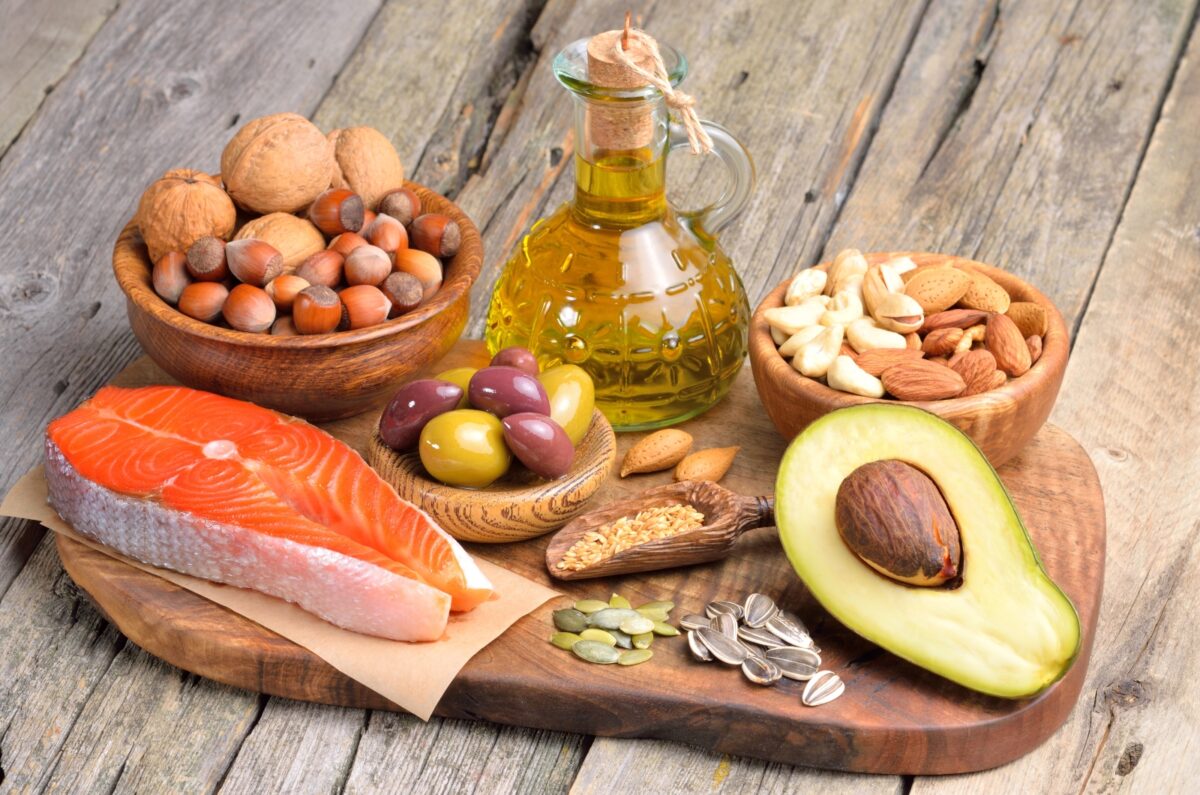
11 Foods Packed With Healthy Fats – Healthy Green Kitchen
Trans fats, often from processed foods, are like rusty parts—they disrupt cholesterol balance and should be avoided.
In fitness, unsaturated fats from nuts or fish keep you energized without the heaviness, while saturated ones in cheese provide staying power for longer activities.
Fat Metabolism
Your body processes fats through digestion and metabolism, turning them into usable fuel.
Hydrolysis is like using water to “cut” fats—enzymes like lipases break triglycerides into glycerol and fatty acids, much like peeling a banana to eat the fruit inside.
In milk, high lipase can make it taste soapy if stored too long, similar to how overripe fruit goes bad.
What is lipogenesis?
Lipogenesis is when excess carbs turn into fats for storage, like saving leftovers in the fridge—insulin drives this in the liver. Lipolysis does the opposite: It breaks down stored fats during exercise, releasing energy like cashing a check at the bank—hormones like epinephrine kick it off when you’re active.
Adipose tissue, or body fat, is your storage hub. Diagrams show round fat cells (adipocytes) like bubbles in foam, with white type holding energy (your “fridge”) and brown type generating heat (your “heater”).
It cushions organs like bubble wrap and releases hormones to control hunger, helping you avoid overeating after a workout.
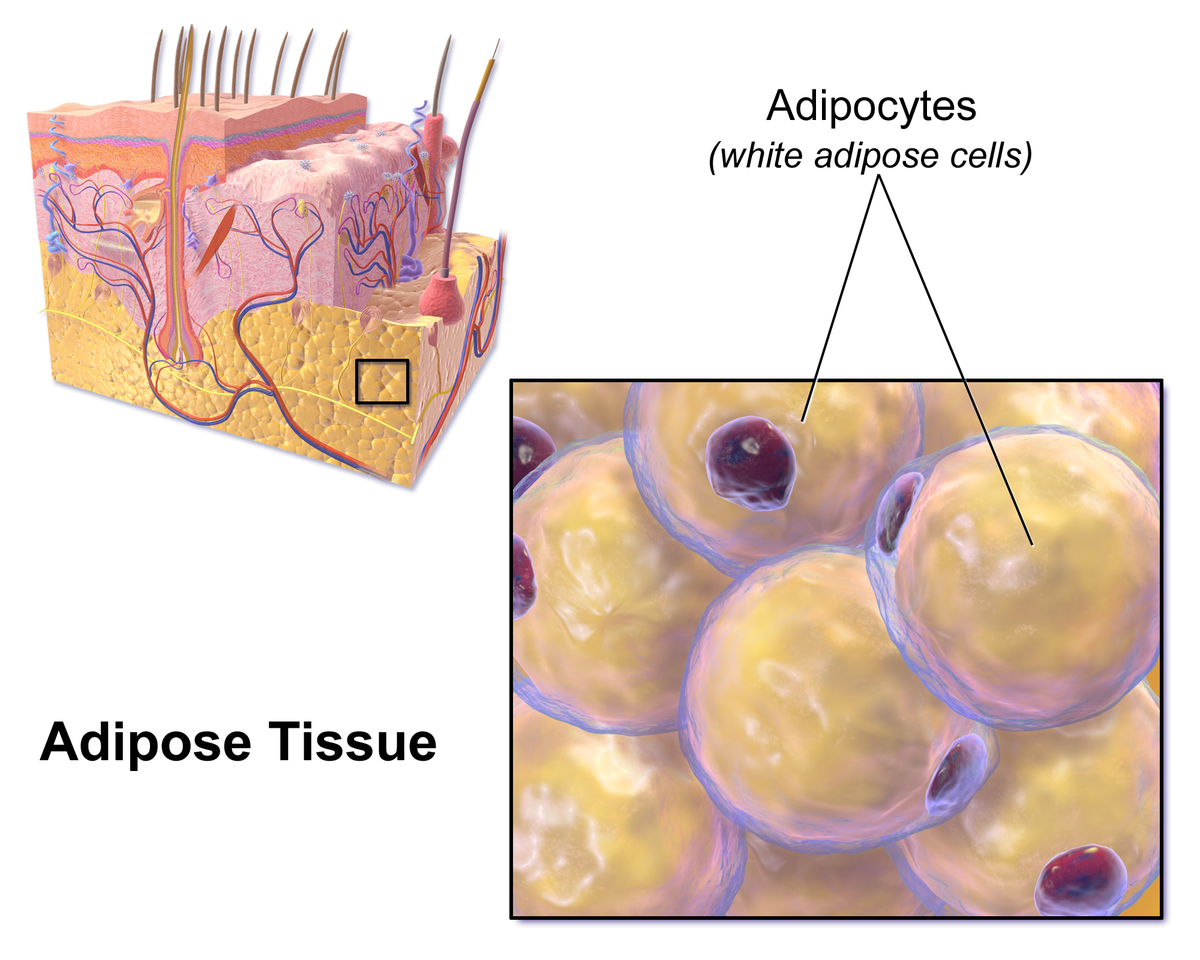
Adipocyte – Wikipedia
For Fitness, balanced lipolysis during cardio burns fat, while lipogenesis rebuilds after—key for weight management.
Special Fats
Medium-chain triglycerides (MCTs) from coconut oil or dairy are quick-energy fats, absorbed fast like a shortcut. Foods like butter or cheese have them naturally.
For weight loss, add MCT oil to coffee or smoothies—it might boost fullness and energy burn, like adding turbo to your morning routine. But start small to avoid side effects like tummy upset, similar to easing into spicy food.
Does it break a fast? Technically yes, as it has calories, but some use it in “flexible” fasting.
Glycerol monostearate, a monoglyceride, mixes oil and water in foods like ice cream—think of it as the peacemaker in a recipe.
Blood Lipids Explained
Cholesterol and triglycerides are blood fats that impact your energy and recovery.
To lower cholesterol, eat fiber-rich foods like oats or beans (they bind it like a net) and swap bad fats for good ones in fish or nuts. Exercise raises good HDL, like training a team to clean up the field.
Non-HDL cholesterol (total minus HDL) spots all the “troublemakers” that build plaque—better than LDL alone for heart risk, like scanning your whole yard for weeds.
Triglycerides drop with fiber from fruits like guava or whole grains, healthy oils, and activity—avoid sugar spikes, like not overloading a boat to prevent sinking.
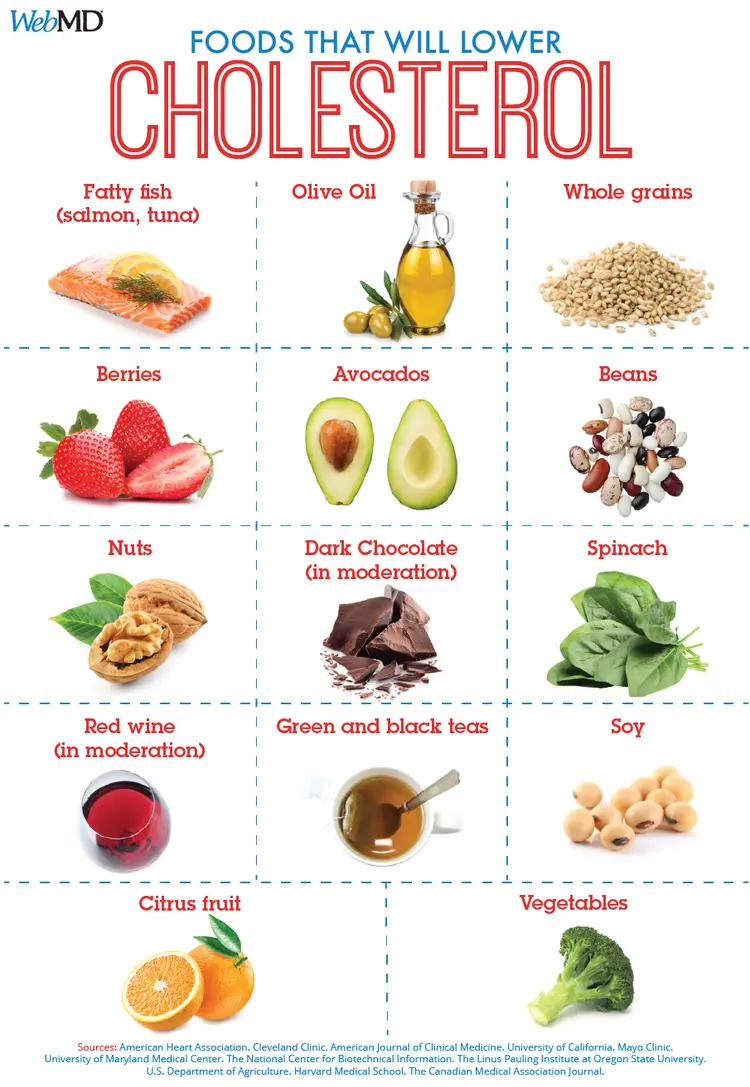
Good and Bad Foods for Low Cholesterol (LDL) and High Cholesterol (HDL)
In fitness, low triglycerides mean better blood flow for endurance, while managed cholesterol supports hormone production for muscle gains.
Conclusion
Fats aren’t enemies—they fuel long sessions, aid recovery, and keep cells healthy. Aim for 20-35% of calories from unsaturated sources like avocados or fish, limit saturated to under 7%, and skip trans fats.
For example, drizzle olive oil on salads for heart health or add nuts to snacks for sustained energy.
Incorporate MCTs for a boost, but watch portions. With these tips, fats become your ally in fitness, like the right gear for a smooth ride.
That’s it for this article. I really hope you liked it. Subscribe to my Newsletter and get some Free Tips on losing your Belly Fat or if you just feel lonely and need a hug.
Till next article.
PEACE!
Sources:
https://www.britannica.com/topic/fat
https://www.britannica.com/science/lipid
https://en.wikipedia.org/wiki/Fat
https://www.heart.org/en/healthy-living/healthy-eating/eat-smart/fats
https://nutritionsource.hsph.harvard.edu/what-should-you-eat/fats-and-cholesterol/types-of-fat/
https://diabetes.org/food-nutrition/reading-food-labels/fats
https://medlineplus.gov/dietaryfats.html
https://www.eatforhealth.gov.au/food-essentials/fat-salt-sugars-and-alcohol/fat
https://nutritionsource.hsph.harvard.edu/what-should-you-eat/fats-and-cholesterol/